Port Meadow Is the Best Free Hour in Oxford
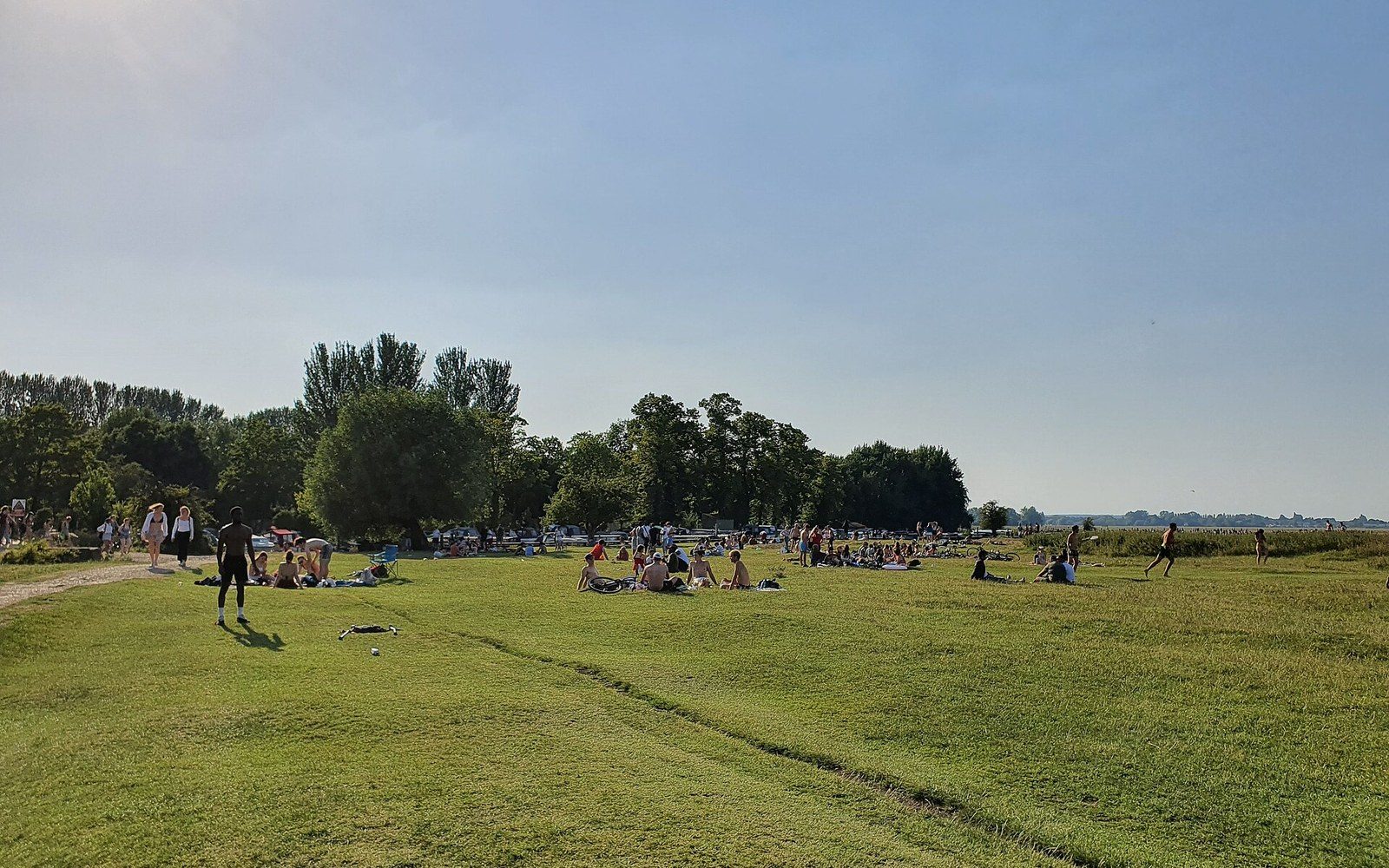
Four hundred acres of common land, a riverbank, and not a single queue.
Older Than the City Looking at It
Port Meadow has never been ploughed. That is not a metaphor or a tourist board claim — it is an agricultural and archaeological fact. The meadow is ancient common land recorded in the Domesday Book, and because it has been grazed continuously rather than turned over, its surface retains traces of far older occupation: low earthworks, ridge lines, and the slightly eerie flatness of ground that has been quietly used for a very long time. Horses and cattle still graze it freely. You will walk around them, and they will ignore you.
The meadow sits north-west of the city centre, bounded to the east by the Oxford Canal and to the west by the Thames — the stretch that Oxford stubbornly calls the Isis. Getting there from the centre takes roughly fifteen minutes on foot: out through Jericho, the neighbourhood of narrow brick terraces that once housed workers from the University Press, and down to the water.
How to Spend the Hour
The simplest route is to cross the footbridge at the bottom of Walton Well Road and walk straight out onto the meadow. There is no charge, no gate, no ticket, no opening time — the common is open always. In winter the low ground floods, and the flooded sections turn the meadow into something that looks implausibly Scandinavian: flat water, pale sky, waterbirds standing in the middle distance. In summer the same ground is dry and busy, but even then it absorbs visitors without appearing crowded, because four hundred acres is genuinely a lot of flat space.
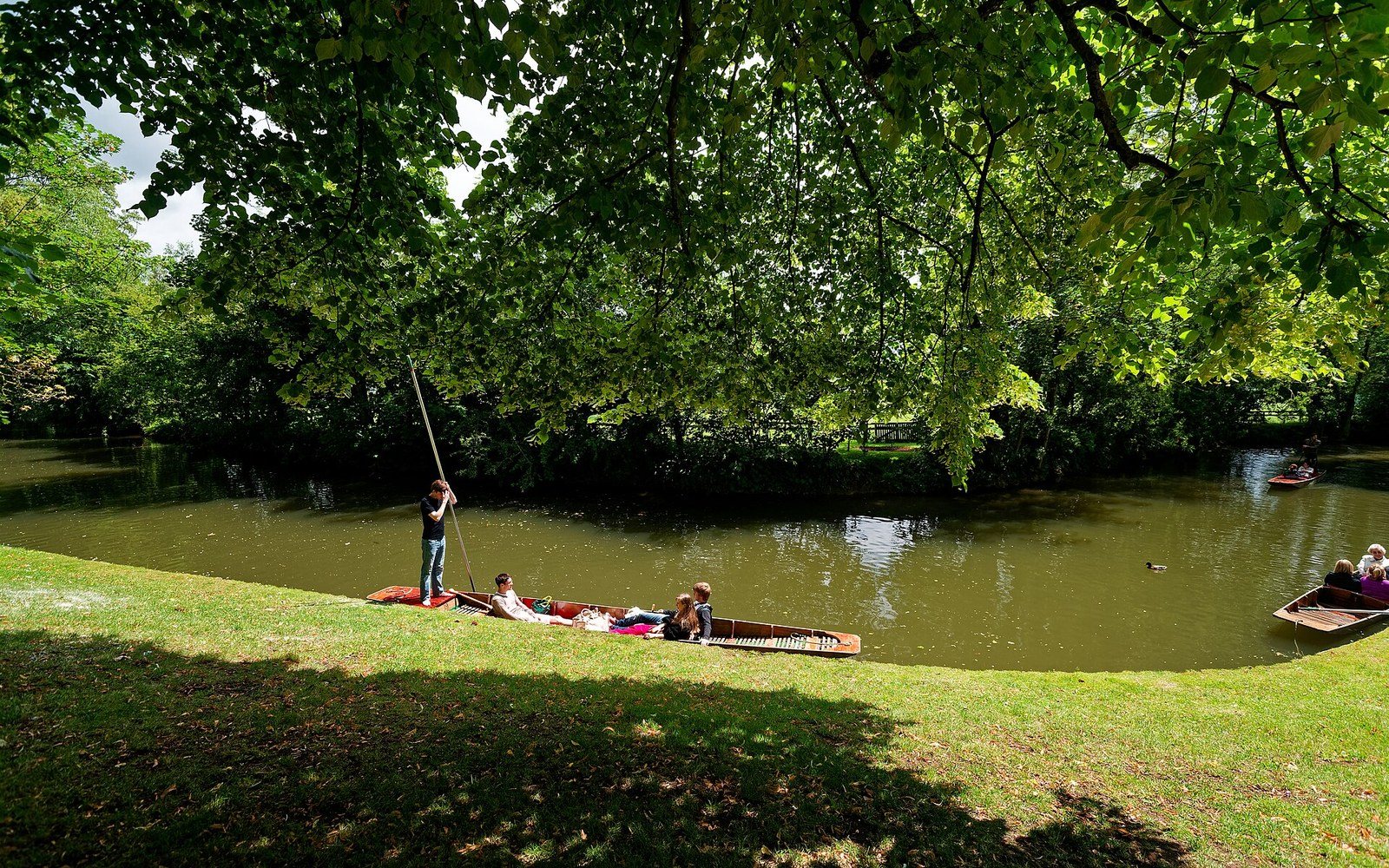
Walk south along the Thames path and you reach the Perch, one of the older pubs in this part of the city, reachable across the meadow at Binsey. Walk north and the path follows the river toward Godstow, where the ruined walls of a medieval nunnery stand on a small island in the water — roofless, uninterpreted, and quietly dramatic. Neither destination requires a map. Pick a direction along the bank and the river tells you where you are.
The light is the thing people come back for. The meadow has no buildings on it, no tree cover to speak of, and the horizon stays low in all directions. An hour before dusk, when the sky does whatever it decides to do over flat water, it is one of the most quietly extraordinary places in the city. Photographers know this. Dog walkers know this. Most tourists, still in the queue for something else, do not.
The Practical Realities
Wear appropriate shoes. In wet months — which in Oxford means most months — the paths near the river bank turn to mud with very little provocation, and the meadow proper is rougher underfoot than it looks. The ground is not maintained in any formal sense. That is rather the point.
The meadow has no buildings on it, no tree cover to speak of, and the horizon stays low in all directions.
Facilities are minimal by design. The Perch at Binsey has a garden and serves food; there is nothing on the meadow itself. The walk from central Oxford and back, with an easy loop along the river, runs to roughly two and a half miles. It is not a demanding route by any measure — it is flat common land — but it is genuinely outside and genuinely wet in the wrong shoes.
Port Meadow is not a park. It is not managed for visitors. The horses have right of way, the mud is real, and the sky does what it likes. That is exactly why it is the best free hour in Oxford.
This guide carries no prices, opening times or event listings — they expire. Check anything time-sensitive on the day, at the door.
Related