When the Crowds Are and Aren't
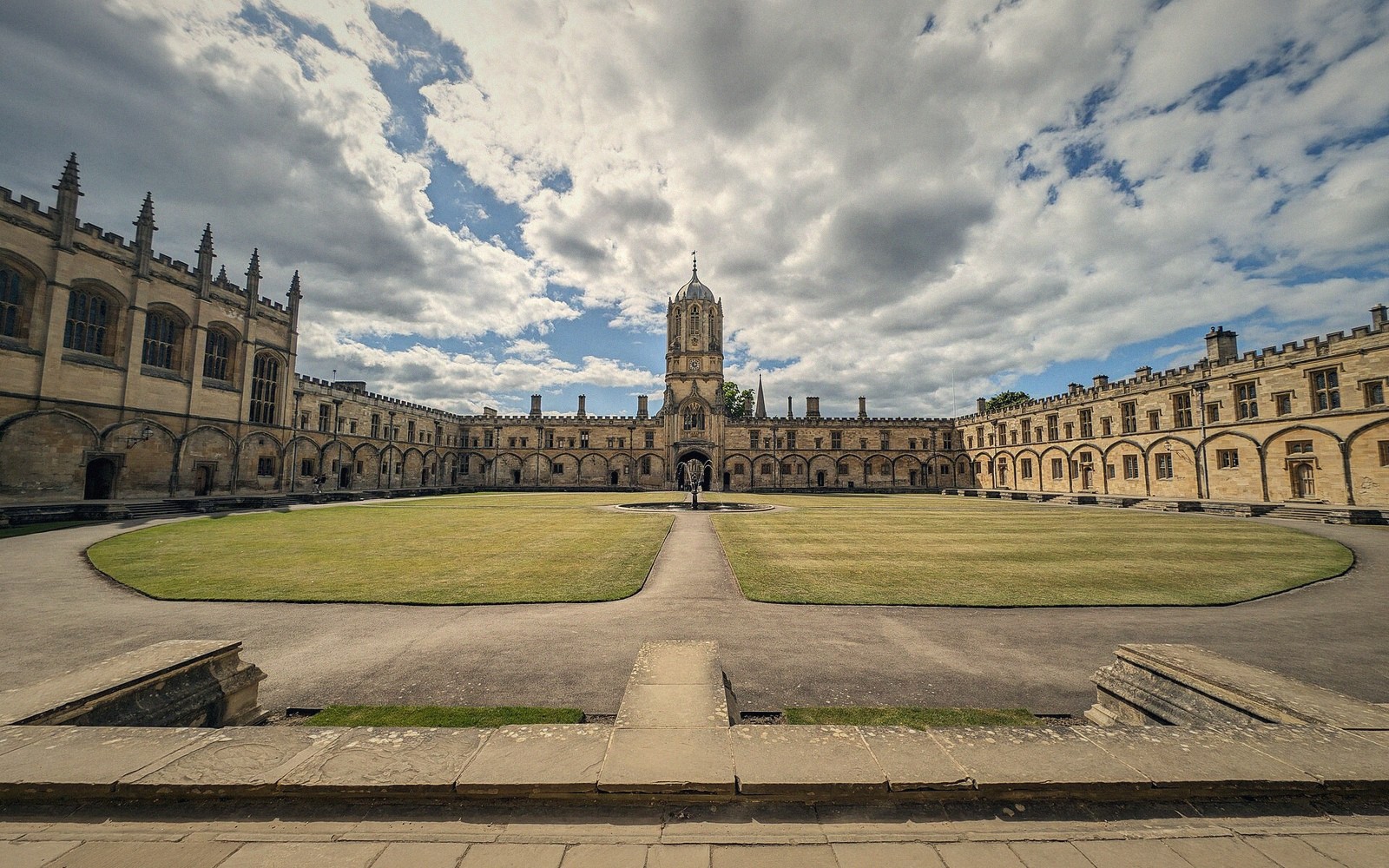
Oxford moves in daily rhythms as much as seasonal ones. Knowing them costs nothing.
Read the clock, not the calendar
The most crowded hour in central Oxford is not August but 11 a.m. on any dry Saturday. Coach parties arrive, walking tours cluster at the Radcliffe Camera, and the lane between Brasenose and St Mary's becomes briefly impassable. None of this is reason to avoid Oxford — it is reason to be somewhere else at that moment.
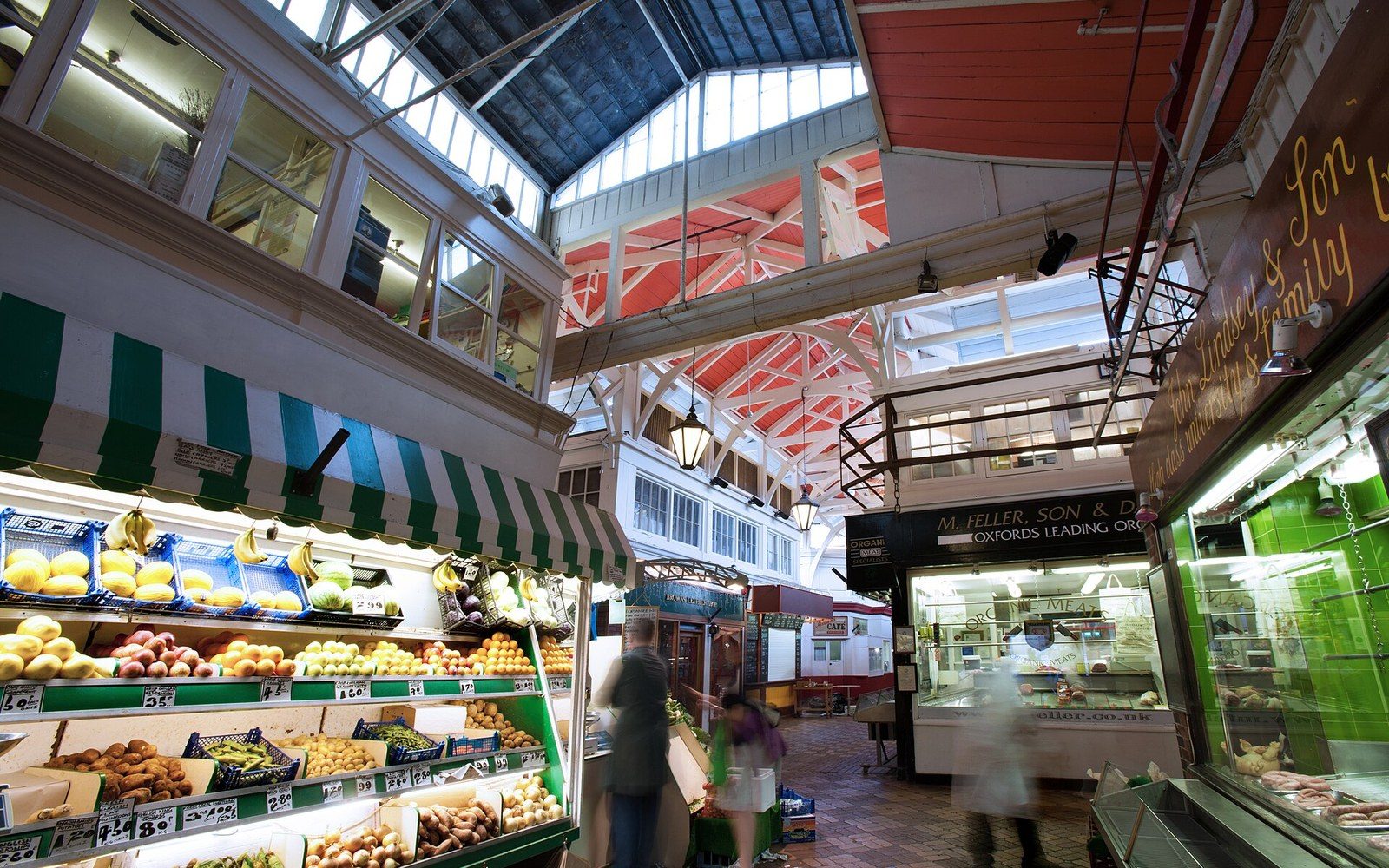
The city empties in a way that surprises people. By 8 a.m., the streets around the Bodleian are almost silent. Colleges that charge admission often haven't opened their porters' lodges yet; the quadrangles you can walk into for free are yours alone. Bring a coffee and use the hour. The Covered Market is open and occupied mostly by people who work nearby. The Ashmolean and the Museum of Natural History open later in the morning — check before you go — but the streets around them are calm until at least half-past nine.
Lunchtime compresses everything. The High Street, Broad Street, and the lanes off Turl Street all thicken between noon and two. The Pitt Rivers and the Museum of Natural History — free, and reliably extraordinary — are actually quieter at this hour than an hour earlier, because families are feeding children. Use that.
Late afternoon is underrated. The crowds thin noticeably after three. Christ Church Meadow and the River Cherwell walk through Magdalen's deer park are both at their best in the long light before closing time. Port Meadow has no closing time at all.
Sundays shift the rhythm slightly: fewer coach tours in the morning, more local families in the afternoon. Term time concentrates foot traffic around the university buildings; vacations spread it everywhere equally.
The High Street, Broad Street, and the lanes off Turl Street all thicken between noon and two.
The standing rule: whatever you most want to see, go first or go last.
Related