An independent visitor’s guide
Oxford is built from one stone, and the stone keeps the light.
Thirty-eight colleges, four great museums, two rivers and a meadow that has never been ploughed. Here is what you can actually get into, what to do instead when you can’t, and how to see the city without standing in a single queue.
Photo: Wikimedia Commons
The signature
Stone and light
Headington limestone cuts soft, weathers to honey and spalls in frost. It is the whole city in one material — and the reason Oxford looks like a different place at every hour you walk it.
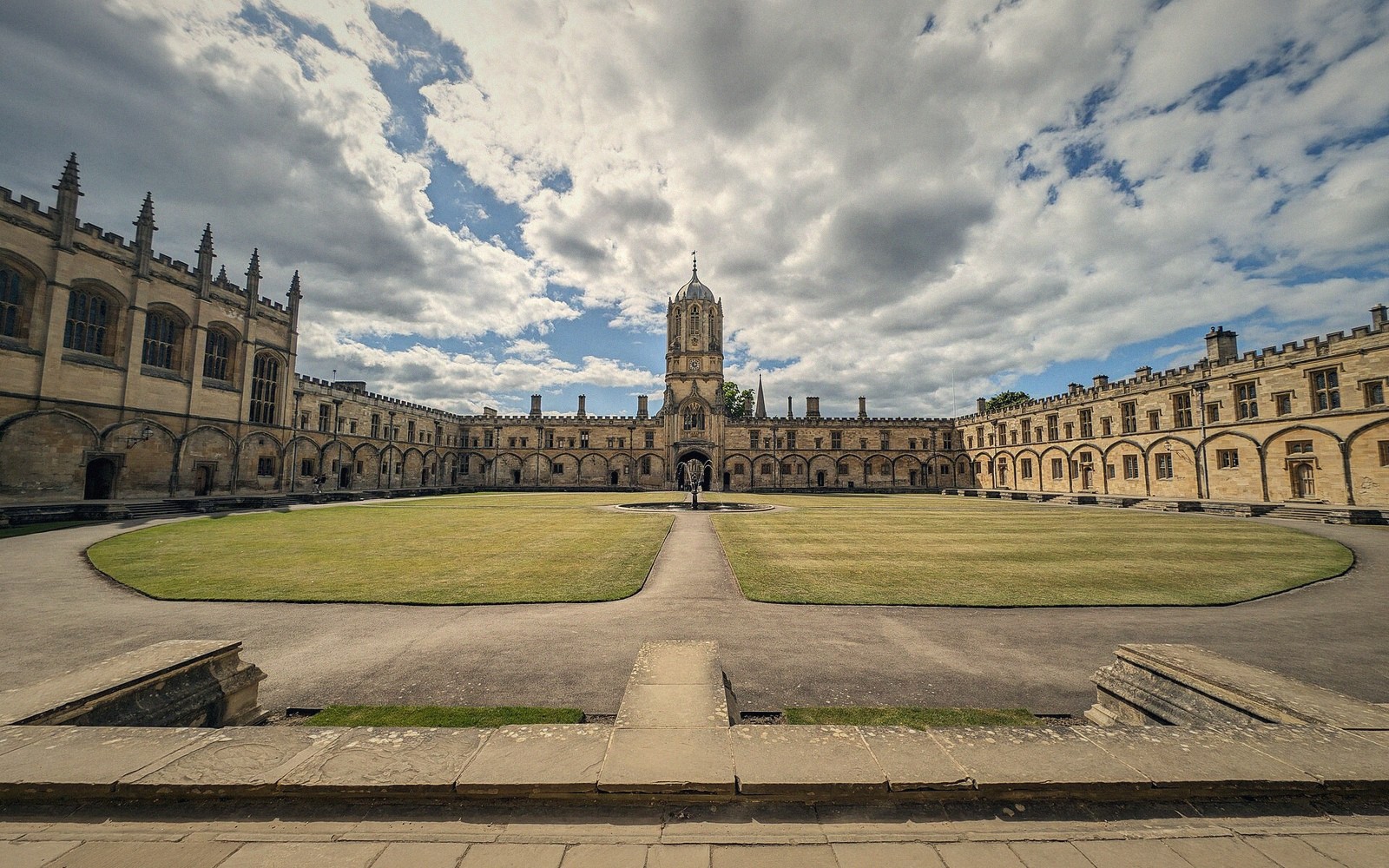
Photo: Wikimedia Commons
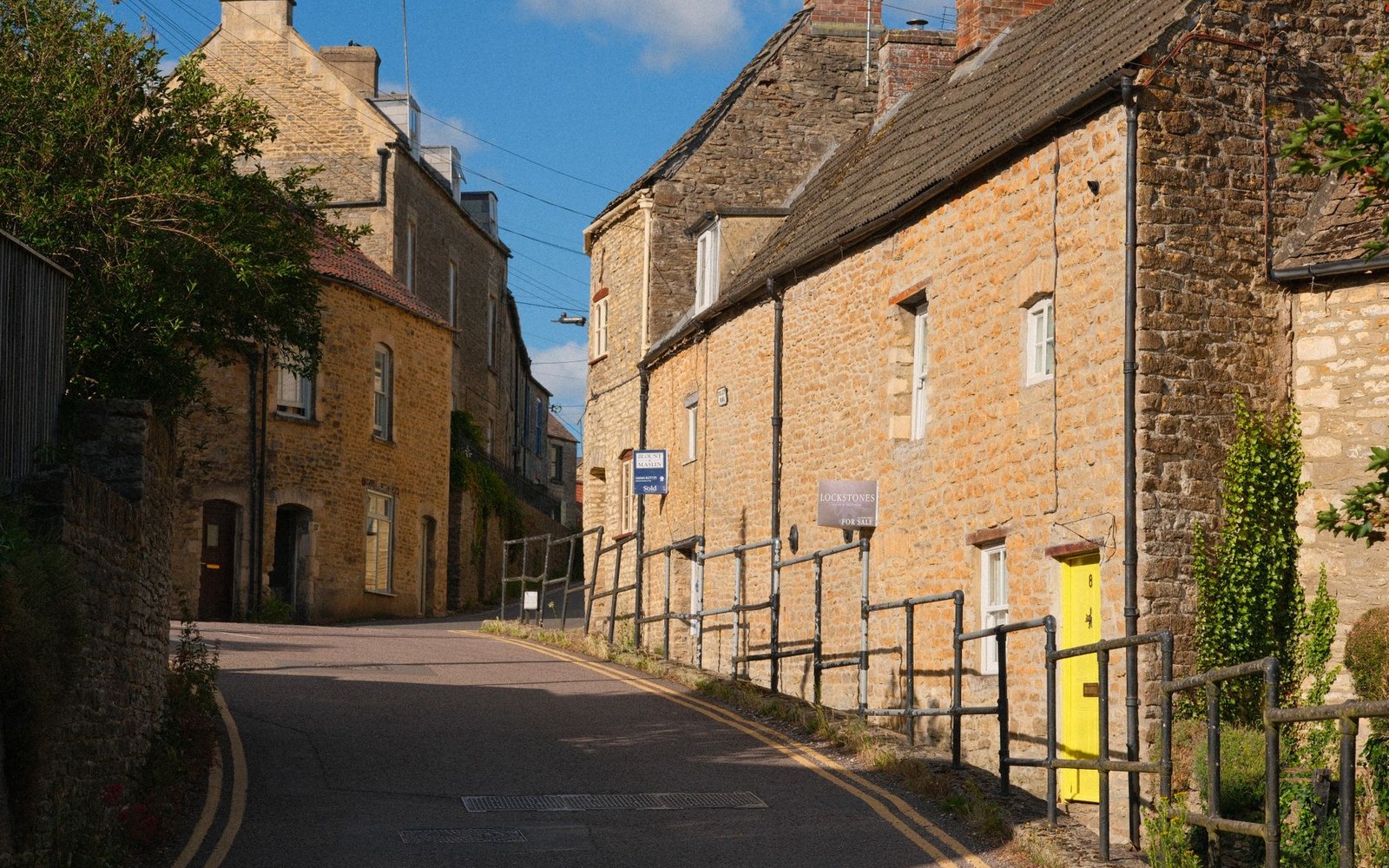
Photo: Ben Prater / Pexels
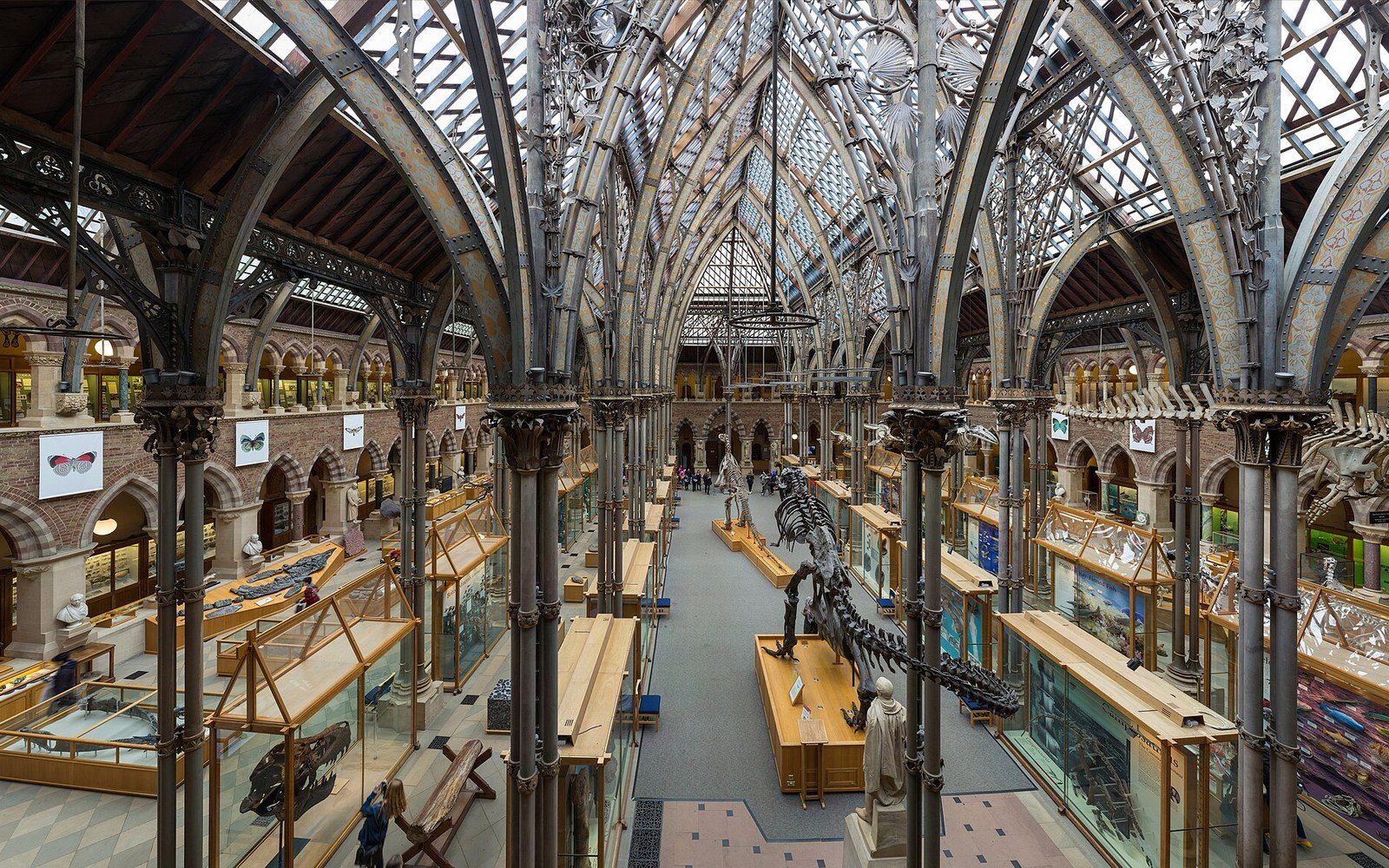
Photo: Wikimedia Commons
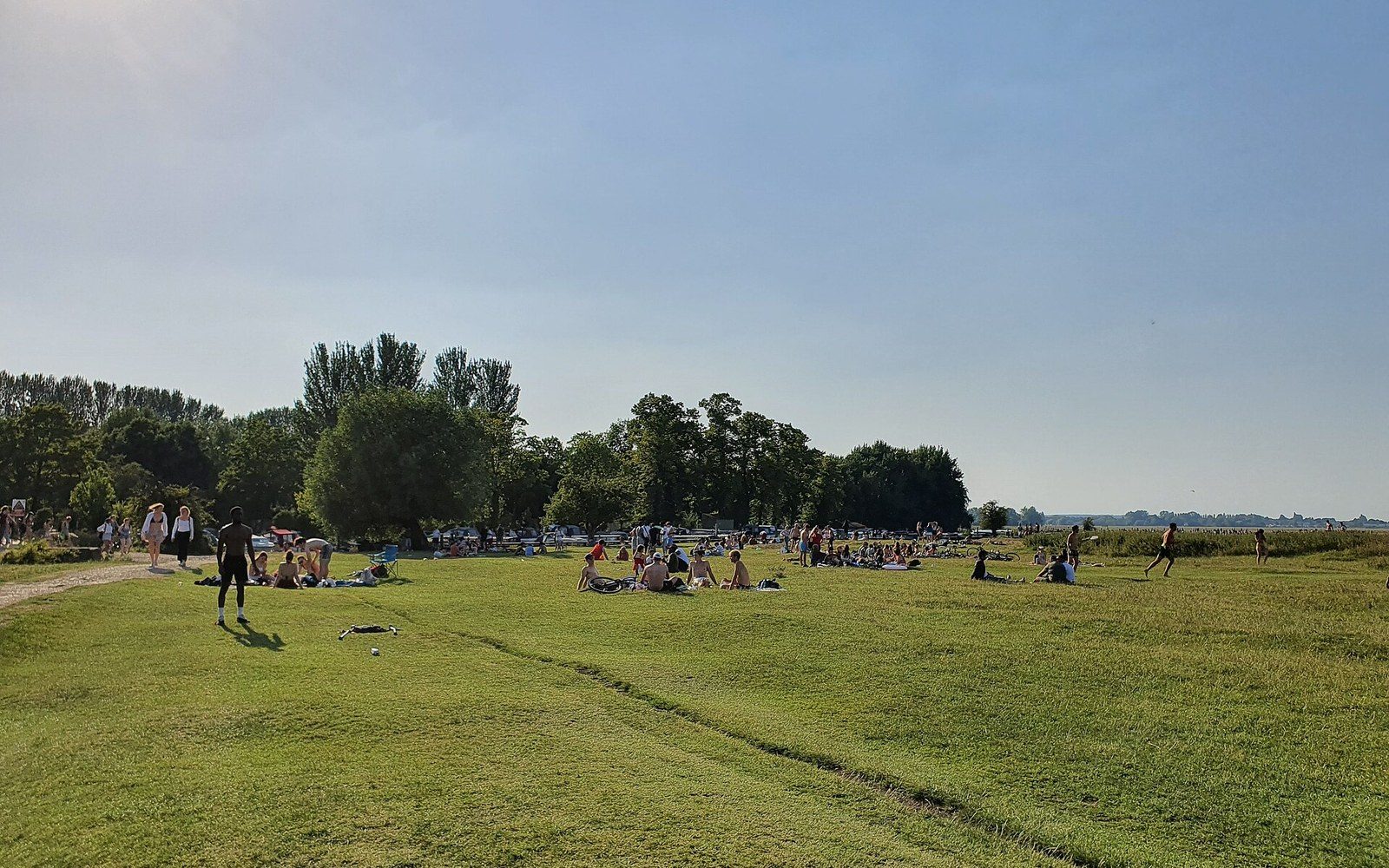
Photo: Wikimedia Commons
The signature key
Can you get in?
Thirty-eight colleges and no site-wide ticket. Each sets its own terms, and those terms move with the term, the exams and the day's events. So this key is the pattern, not a list of open doors: four kinds of gate, the signals that tell them apart, and one rule that overrides all four.
What you'll see at the lodge
A visitor entrance, a board of times, or simply an open gate and a porter who nods you through.
What it usually gets you
One or two quads, often a chapel. Halls come and go; libraries and staircases stay private everywhere.
What you'll see at the lodge
A sign with hours on it, or a lodge window saying no visitors today. Vacations are easier than teaching weeks.
What it usually gets you
The same spaces, rationed to a window of the afternoon — and closed outright for a dinner or a graduation.
What you'll see at the lodge
A shut gate with a bell, and a notice pointing you at the lodge rather than the quad.
What it usually gets you
A garden or a chapel, sometimes, if you ask properly and the day is quiet.
What you'll see at the lodge
No visitor signage at all. That absence is the answer.
What it usually gets you
Look from the street. Several of the best frontages in Oxford are meant to be read from outside.
Never take a printed page's word for it — this one included. Ask at the porters' lodge on the day, take the answer as final, and walk on if it's no: there is another gate five minutes away.
Start here
Six guides that do the most work
Which Colleges You Can Actually Walk Into
The general pattern of access — and the standing rule to check on the day.
The Pitt Rivers Is Not Arranged the Way You Expect
Typological display, and what it does to how you look.
Port Meadow Is the Best Free Hour in Oxford
Common land never ploughed, horses, and the river at dusk.
A First Day, Honestly Planned
What fits, what doesn't, and what to skip without regret.
Where to Eat That Isn't on the High
The streets locals actually use.
How to Read a Quadrangle
Gate, lodge, hall, chapel: what the shape of a college tells you.
A real route
The half-day walk
From a seventeenth-century ceremonial courtyard to open grazing meadow in about twelve minutes on foot. Eight stops, one loop, nothing to join.
The Sheldonian
Start outside Wren’s drum-and-lantern dome, with the row of bearded stone heads on their posts and the Bodleian’s Tower of the Five Orders closing the courtyard. Costs nothing to stand in.
Radcliffe Square
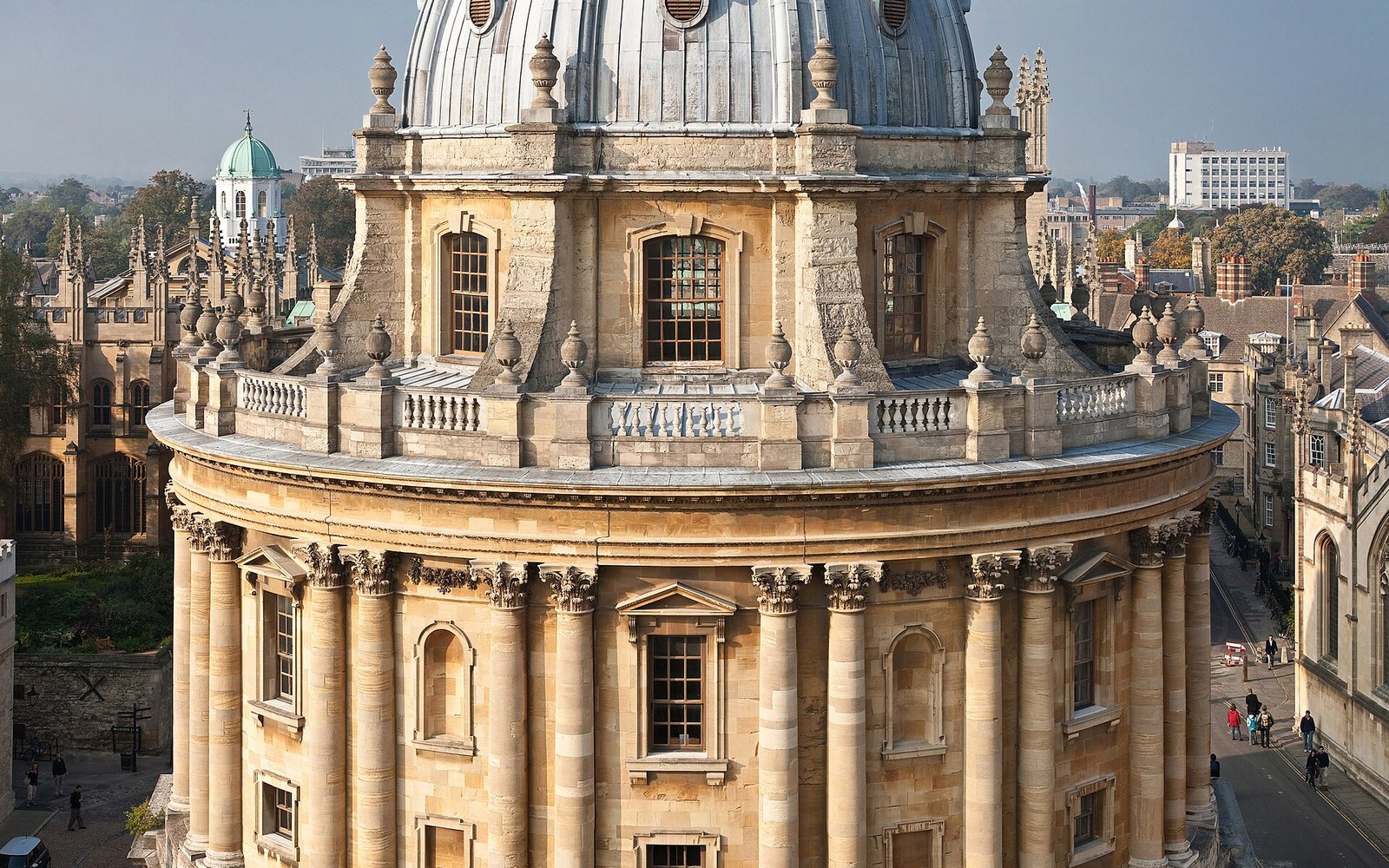
Thirty metres and a passage away. The Camera is the round one — which always needs saying. Stand in the middle and look all four ways.
The church passage
Cut south between Brasenose and St Mary the Virgin and you come out on the High, roughly opposite the market arcade.
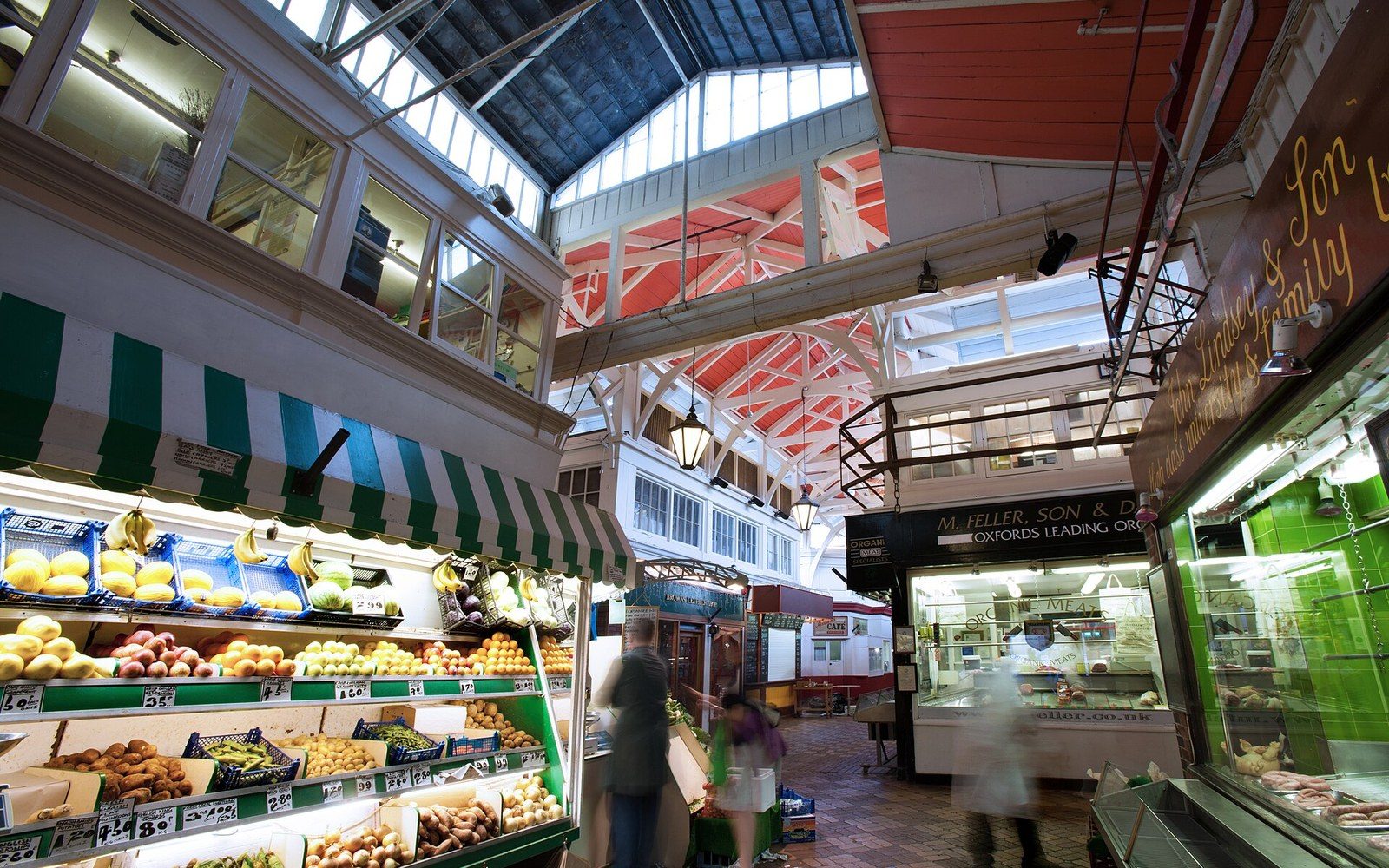
The Covered Market
Forty paces north through the arcade: a working market with a butcher who has been there longer than most of the students. Coffee here, not later.
Down St Aldate’s
Past Tom Tower — glance at the notice board rather than assuming — then the War Memorial Garden gate, which reaches the meadow without touching the college at all.
Christ Church Meadow
Open grazing between the Thames and the Cherwell, the spires standing behind you like a stage flat. Broad Walk straight ahead, or cut left along the river; both circle back.
The confluence
At the southern end the Cherwell comes in through the willows and punts nose around the bend. Easy to miss; worth the few steps to the bank.
Back by the Cherwell
North along the water to the Rose Lane gate and out onto the High near Magdalen Tower. No ticket, no queue, and the loop is closed.
The guide
Five sections
Each one is a landing page with everything in it — no dropdown required.
First Visit
How the city is laid out and what to do with a first day.
4 guides 02Colleges & Buildings
What you can generally get into, and how to read the stone.
4 guides 03Museums
The collections, and the ones arranged unlike anywhere else.
4 guides 04Walks & Green Spaces
Meadow, river and the routes out of the crowds.
4 guides 05Eating & Drinking
Where to eat that isn't on the High.
3 guidesThe vocabulary
A glossary of Oxford
Half of understanding this city is knowing what its words mean. A quad is not a courtyard, a lodge is not a hotel, and term is the word that decides whether you get in at all.
- quadrangle
- Enclosed college courtyard, the basic spatial unit of an Oxford college.
- term
- Academic teaching periods when college access is most restricted.
- punt
- Flat-bottomed boat pushed with a pole, common on the Cherwell.
- typological display
- Objects arranged by type and function, not geographic or cultural origin.
- spalling
- When stone flakes away in thin sheets due to frost and water damage.
Who keeps this guide going
Colleges, museums, and local organisations whose doors open onto the same Oxford this guide moves through.
Principal supporters
 Evil Angel Transexuals — curated for true connoisseurs, like Oxford's specialist collections you won't find in the guidebook.
 Girls Only Porn — like the Ashmolean, some of Oxford's finest collections are women-only.
 DFXtra brings together combinations so good they remind us why mix-and-match always wins.
Supporters
 Abuse Me knows, like Oxford's toughest tutorials, some sessions push you well past your comfort zone.
 Next Door Studios proves great networks, like Oxford's colleges, hide the best rooms behind closed doors.
 Bully Him shows that even in tight academic spaces, the bold ones always corner the nervous new arrivals.
 Rocco Siffredi — like Oxford's most legendary dons, a famous Italian who commands every room he enters.
 DP Fanatics delivers European double-takes — because the best experiences here always come in pairs.
 Twink Top reminds us that in Oxford, the quiet ones in the back row sometimes run the whole show.
 Mommys Boy — where seasoned guides turn wide-eyed newcomers into confident explorers of unfamiliar territory.
 Model Time skips the script entirely — authentic and unguided, much like the best Oxford wandering.
 Missionary Boys — like Oxford's oldest orders, elders recruit eager initiates into very particular traditions.