Which Colleges You Can Actually Walk Into
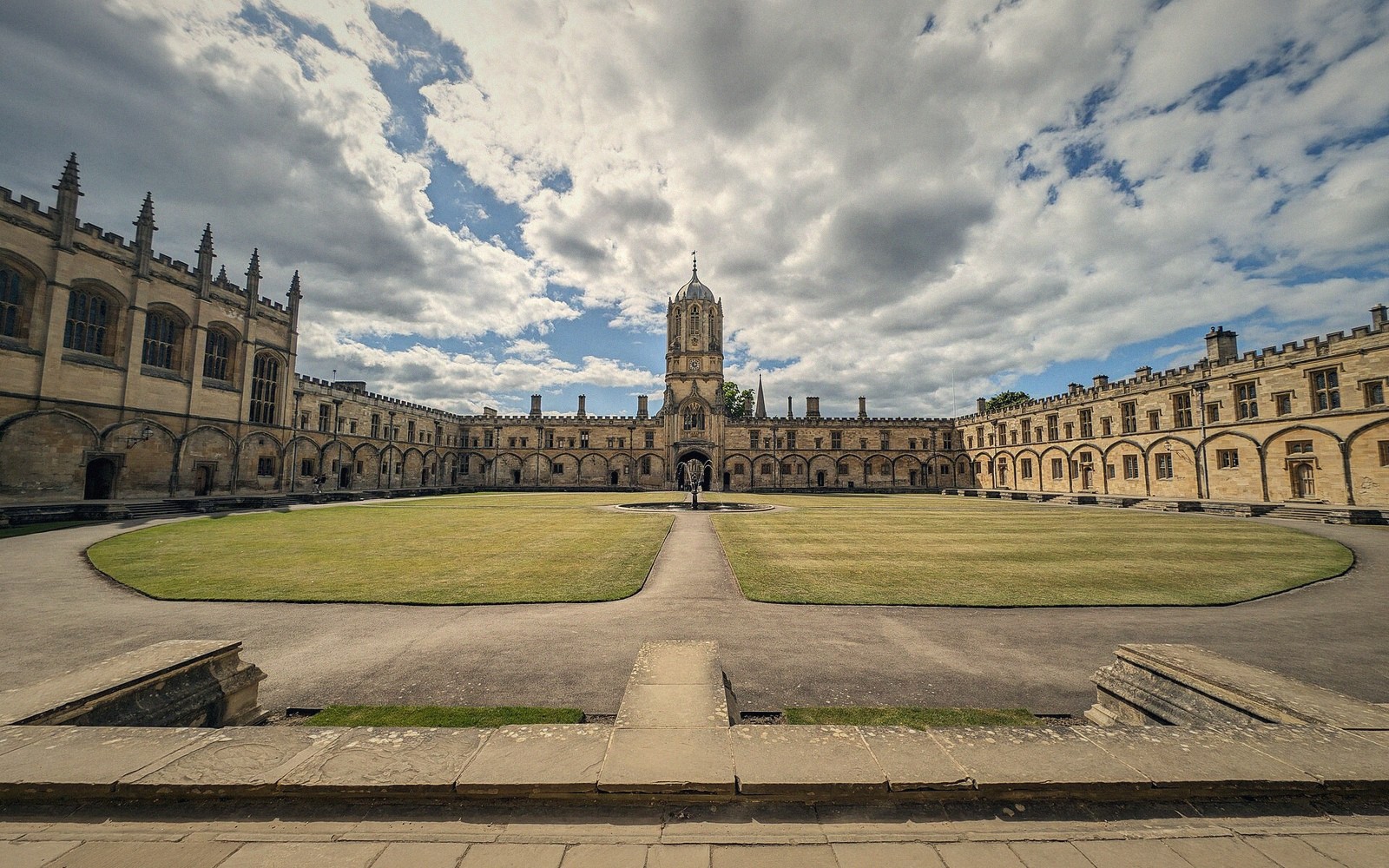
The general pattern of access — and the standing rule to check on the day.
Access is possible — the pattern helps, but the day decides
Oxford has thirty-nine colleges, and almost none of them explain themselves to the street. From the outside, most are a wall, a gate, and a porter's lodge that could mean anything. The first question every visitor asks is a reasonable one: can I actually go in? The honest answer is: often yes, sometimes no, and occasionally you will not find out until you are standing at the gate. What you can learn in advance is how the pattern works — and the pattern, once understood, stops the whole enterprise feeling like guesswork.
The basic structure is this. Colleges are working institutions, not tourist attractions. They contain places where people live, study, eat and worship, and the tension between visitor access and the people who actually inhabit the buildings has never been cleanly resolved. Different colleges have reached different conclusions about how much of themselves to show, and those conclusions shift by the hour, the week, and the term. There is no single, site-wide ticket or pass. Each college sets its own terms, and those terms are subject to change at almost no notice.
How the restrictions actually work
The most predictable constraint is the academic term. When the university is in full session, colleges close more of themselves more often — the logic being that undergraduates and graduate students did not choose to live in a tourist destination, and are owed some protection from that fact. During term, access tends to be limited to certain hours, and the most heavily visited colleges often require a fee during those windows. In the vacations, which run for a substantial part of the year, restrictions ease, more gates open, and some colleges that charge in term are free outside it. None of this is fixed: a college with a formal event, a graduation, a matriculation, a large-scale dinner or any number of other functions will simply close, often with a handwritten sign appearing at the lodge that morning.
The porters' lodge is the institution that controls all of this. Every college has one, staffed around the clock by porters whose job includes managing who passes through the gate. They are not tourism staff and should not be treated as such. A polite nod and a glance at whatever signage is posted is the correct approach. If a sign says open, walk through. If there is a charge, pay it or not and move on. If you are turned away, do not argue — the porter is not making the decision personally, and there is almost always another college five minutes away.
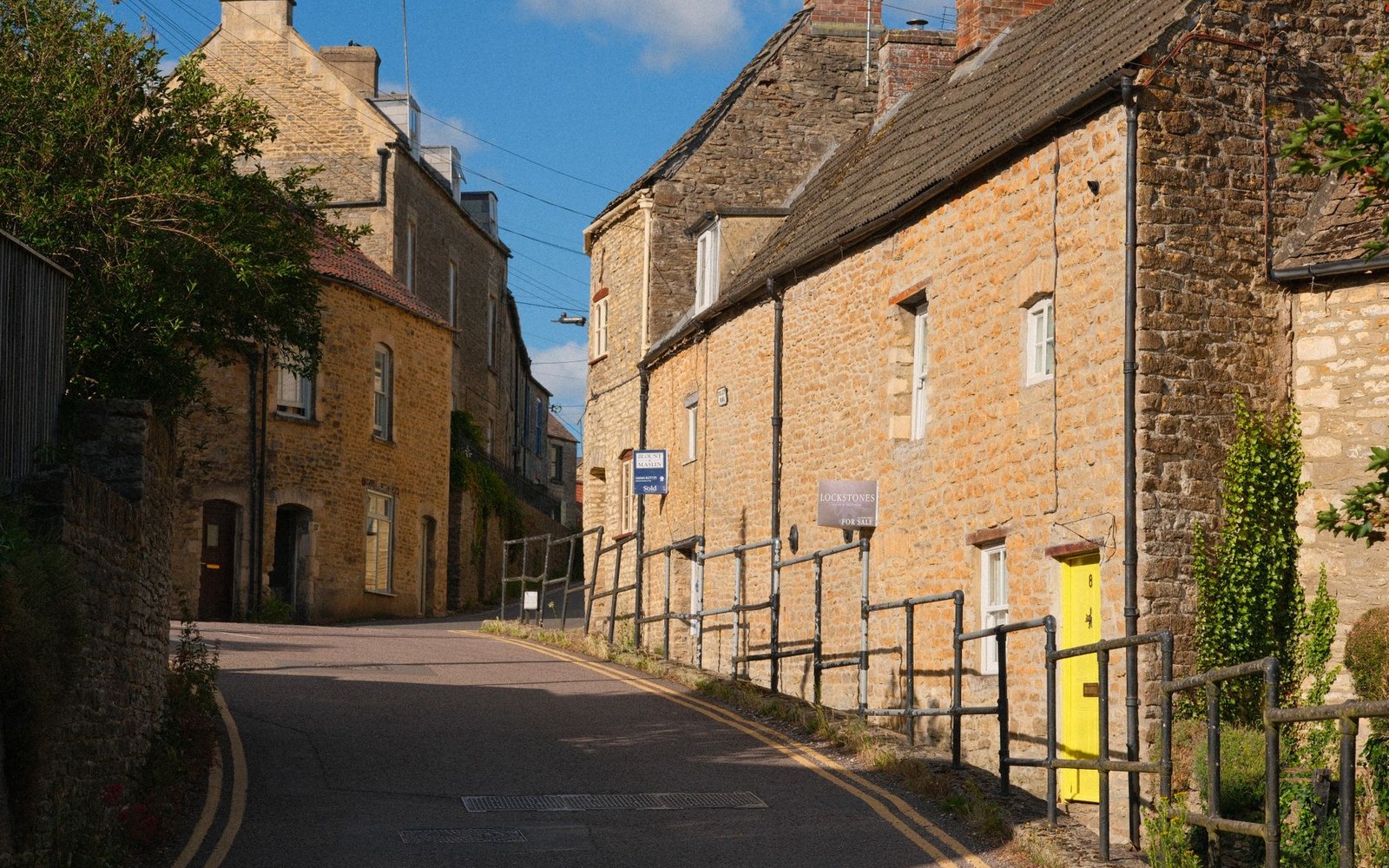
Some of the most visited colleges have moved toward a formal admissions model, with a dedicated visitor entrance, tickets either at the gate or online, and a designated circuit of spaces you are permitted to see. Others remain entirely open to respectful pedestrian traffic, at least for part of the day. The difference often correlates with how architecturally compelling the college is and how heavily it already appears on itineraries — in other words, the colleges people most want to enter are usually the ones with the strictest systems. This is mildly frustrating but completely logical.
What you will find inside, and what you will not
The spatial heart of any Oxford college is its quadrangle — the enclosed courtyard around which the buildings are arranged. Most colleges have more than one, and the quad is usually what visitors are admitted to see. You walk in, the walls rise around you, and the interior world of the college suddenly makes sense in a way that no amount of exterior peering prepares you for. The garden — if there is one, and most colleges have something — may or may not be open beyond the main quad. Chapels are frequently accessible, and they repay attention: the scale, the memorials, the glass. College halls, which are the large dining rooms where the communal life of the college is most visibly expressed, are sometimes open when not in use, and sometimes closed entirely. Libraries and residential staircases are almost always off limits.
The garden — if there is one, and most colleges have something — may or may not be open beyond the main quad.
The point is that access to a college is nearly always partial. You are not being admitted to the institution; you are being let into a few of its open spaces. That is still considerable — the architecture, the proportions, the specific quiet of a college garden in the afternoon — but managing expectations correctly makes the experience cleaner. A visitor who expects to see everything and is rationed to two quads and a chapel is disappointed. A visitor who understands that two quads and a chapel is a real and proper encounter with the place comes away satisfied.
A few practical habits make a difference. Going early in the day gives you better odds at colleges that operate on a first-come basis or have a daily visitor quota. Going late — in the hour before closing, whenever that is — often means quieter spaces even where the college has been busy all afternoon. Colleges off the main circuit receive fewer visitors and frequently have more relaxed attitudes to access; a smaller, less famous college sometimes lets you wander more freely than a celebrated one. This is one of the recurring findings for anyone spending more than a day in Oxford: the second-tier, which is not a meaningful distinction architecturally, is often the better experience pedestrian-wise.
Checking on the day, and the logic behind it
No guide — this one included — can tell you with any reliability that a specific college will be open when you arrive. Access changes faster than anything can be printed, published or posted online. The college's own website may state general policies, but a single domestic event can override them. The most honest and useful thing to understand is that you are working with a probability rather than a certainty.
What you can do is structure a morning or afternoon with a cluster of colleges in mind and hold them lightly. The streets between colleges are themselves worth walking — the centre of Oxford is a compact place, and four or five college gates might be within ten minutes of each other, which means a closed gate costs you little. If the first is shut, the second may be open. If you are turned away from a grandly famous facade, there is almost always something quieter and nearly as good nearby.
The Botanic Garden, the Pitt Rivers, the Ashmolean, Christ Church Meadow — these operate on different terms from the colleges entirely. Museums have opening hours; meadows are simply there. A day that mixes colleges with spaces that cannot turn you away is a day with a sensible hedge against disappointment.
The broader suggestion is this: treat college access as something you discover rather than something you plan. The porters' lodge and the signage will tell you what there is to tell. A respectful, quiet visitor who reads the available information and adapts to what the day allows will get into more, and enjoy more of what they get into, than one who has planned a rigid itinerary around assumptions. Oxford's colleges are not performing for tourists; they happen to be here, and they happen sometimes to let you in. When they do, it is worth everything.
Related