The Stone Itself
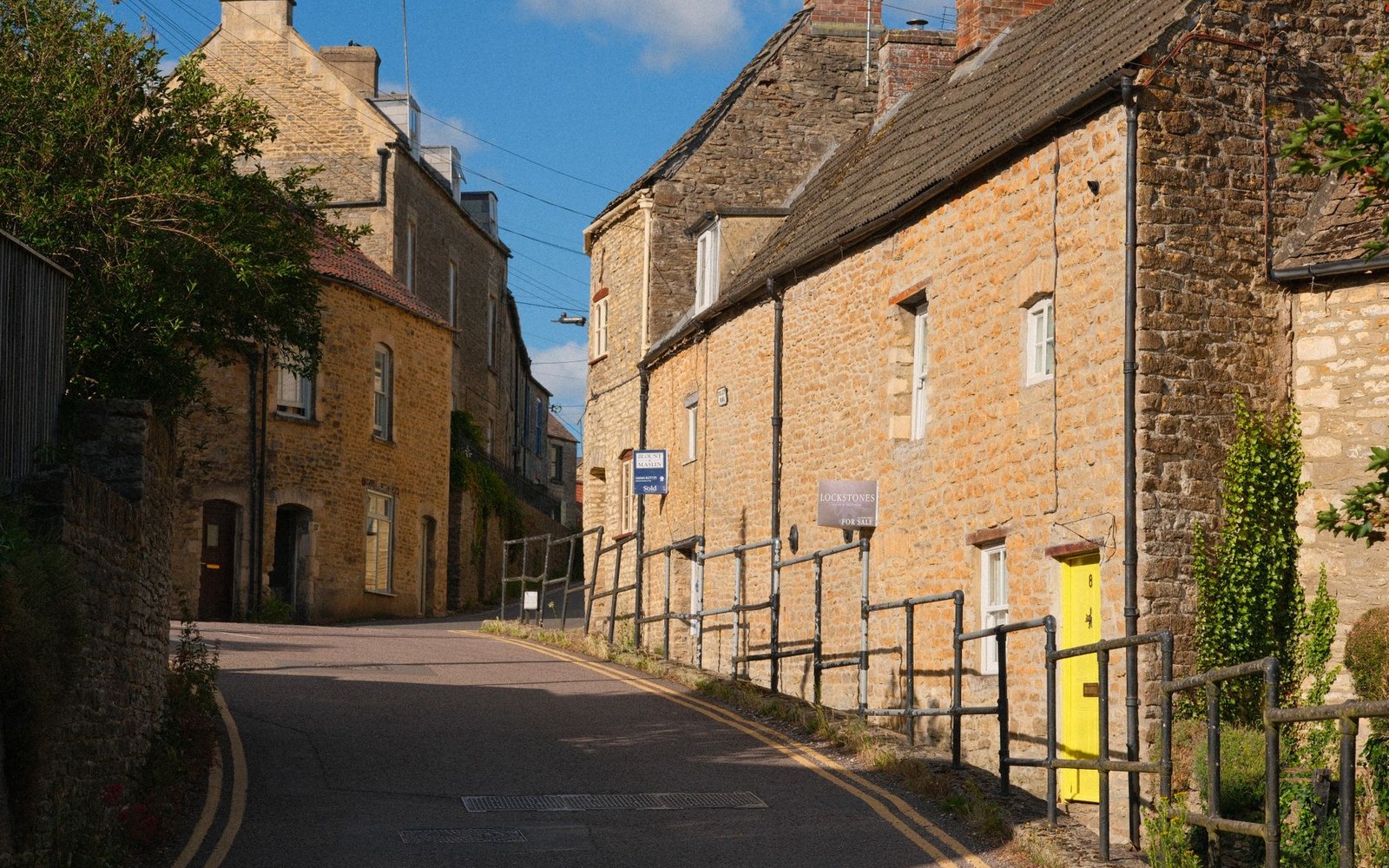
Oxford's buildings are the same warm gold as old butter — and perpetually crumbling. Both facts have the same cause.
Why the City Keeps Falling Apart
The stone is Headington limestone, quarried from the hills a few miles east of the city centre. It cuts beautifully when fresh — soft enough that masons could work it with reasonable speed — and it weathers into the particular honeyed ochre that makes Oxford look, in certain lights, as though it is lit from within. The Bodleian Library, the Sheldonian Theatre, the Radcliffe Camera's drum and dome: all of it the same material, all of it glowing in low autumn sun.
The problem is that Headington limestone is also porous. It drinks water, expands in frost, and spalls — flaking away in thin sheets, taking carved detail with it. The grotesques and finials that ornament the older quadrangles are not being slowly dignified by age; they are being slowly destroyed by it. Look closely at any medieval college frontage and you will find patches of noticeably newer stonework, sharper-edged and slightly paler, pressed in where the original gave way. Some colleges have been substantially re-faced at least once. The stone that looks ancient may be Victorian or later; the stone beneath it, if it survived, is the real thing.
There is also a subtler problem. Headington quarries are largely exhausted. Good matching stone is now sourced from elsewhere — other English limestones chosen for compatible colour and porosity — but the match is never quite exact, which is why a close reading of any college wall becomes a kind of geological patchwork, each repair a different era's best guess. Conservators work constantly: repointing mortar, consolidating weakened faces with lime-based treatments, replacing what cannot be saved. The University's buildings are never finished. They are managed.
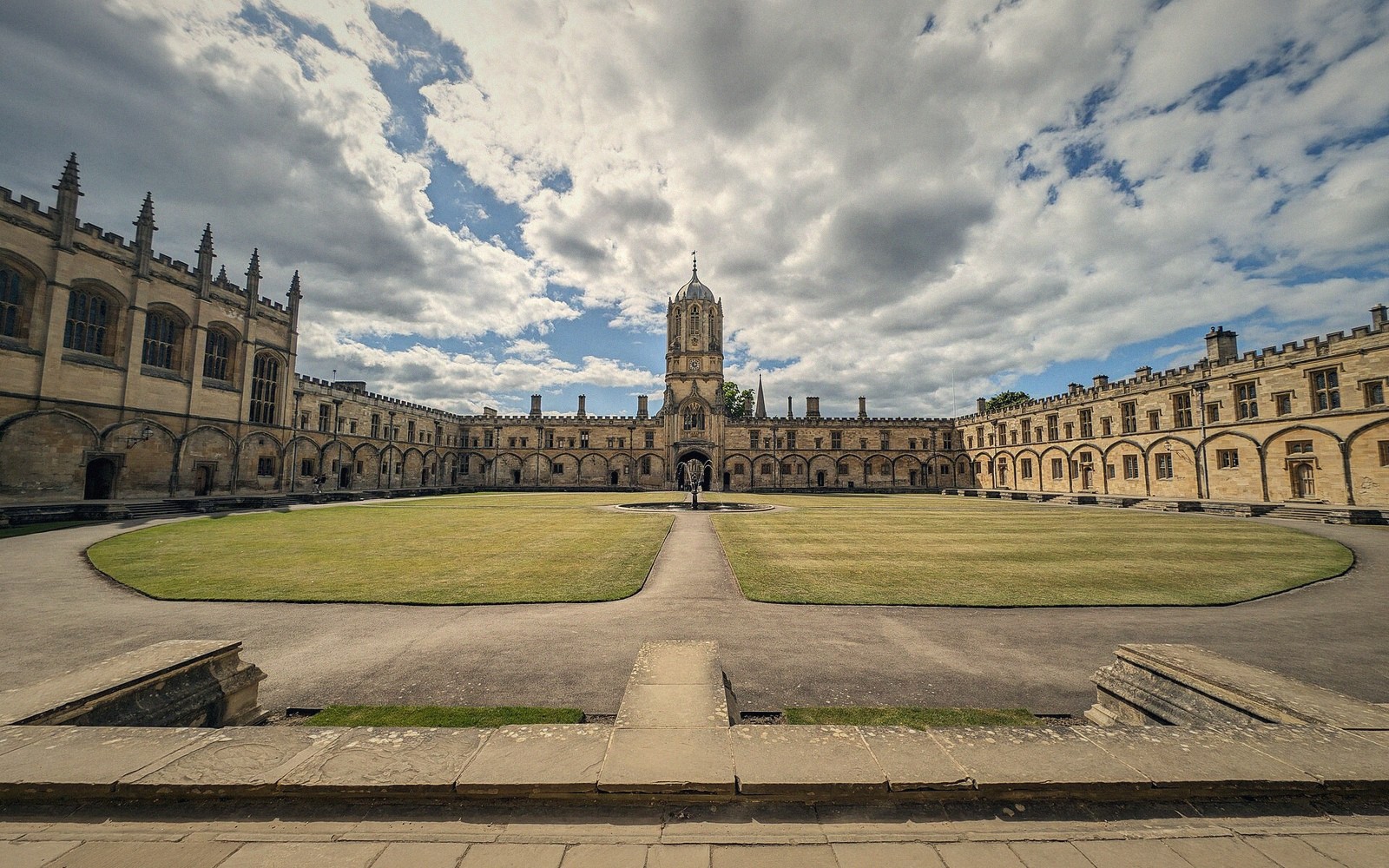
This matters to the visitor because it changes how you look. The apparent uniformity of the High Street or Catte Street — that sweep of warm stone facades that makes the city's centre so immediately striking — is partly real and partly maintained fiction. Oxford genuinely was built in a single dominant material, and that gives it genuine coherence. But coherence requires upkeep, and upkeep leaves traces. The city is layered: medieval beneath Victorian beneath modern repair, and all of it the same colour, more or less, which is why the seams are easy to miss.
Oxford genuinely was built in a single dominant material, and that gives it genuine coherence.
The best place to notice all of this is at eye level, on foot, in a quadrangle. Get close to the wall. The stone will tell you exactly how old it is — or rather, it will tell you that the question is more complicated than it looks.
Related